
There is no way to know if you will experience alcohol tremors after drinking, but symptoms usually start around 6 hours after your last drink, which is good to keep in mind. Hand tremors from alcohol can last anywhere from a couple of days to several weeks, so it’s important to seek medical attention if your tremors do not go away or get worse over time. Moreover, it’s essential for individuals in recovery to maintain a balanced diet, ensuring that they’re replenishing any vitamins or minerals that might have been depleted during periods of heavy drinking. Nutritional supplements, particularly those rich in B vitamins and magnesium, might be beneficial.
- Additionally, alcohol tremors may be a symptom of a more serious condition, like delirium tremens, which necessitate immediate medical attention.
- In a normal state, your brain keeps you alert and calm by keeping what’s called your inhibitory and excitatory systems in balance.
- A drug and alcohol addiction treatment center provides a serene environment where people with addictions can receive proper care and reorientation.
- However, when someone who experiences alcohol dependency suddenly quits drinking alcohol, the brain continues to work as if alcohol were still present in the body.
- And treatment teams can monitor you while you achieve abstinence and step in if you relapse.
But, your organs – heart, kidneys, liver – are rapidly working overtime to rid your body of alcohol. A fast-beating heart accelerates blood flow throughout the body by widening alcohol shakes and tremors blood vessels. Vasodilation of blood vessels, whether from alcohol withdrawal or binge drinking, will make you feel hot, flushed, nervous, and excessively sweaty.
Alcohol and Medications for Essential Tremor
So, when you stop drinking alcohol, the GABA receptors can’t do their job, and the central nervous system can become overactive.3 That’s when the shaking begins. Several treatment options and interventions can help a person recover from alcohol dependence. Once a person stops using alcohol, they can often experience recovery from symptoms, though in some cases, some damage may be permanent. According to a 2017 review, muscle myopathy is common in alcohol use disorder. In addition, about 40 to 60 percent of people who experience chronic alcohol misuse also experience alcohol-related myopathy. Alcohol-related neurologic disease refers to a range of conditions caused by alcohol intake that affect the nerves and nervous system.
- That is why alcohol detox and alcohol withdrawal treatment is administered by medical professionals.
- As mentioned above, tremors, also known as “alcohol shakes”, are a common side effect of alcohol withdrawal.
- EHN Canada’s recovery centres located throughout Canada provide evidence-based, compassionate treatment for alcoholism, drug addiction, and mental health issues.
- While you’ll typically notice this shaky feeling in the hands, it can also affect the arms, legs, and even the whole body.
- Long-term alcoholics will suffer from alcohol shakes because of brain damage, liver disease (cirrhosis), or a disease called Wernicke-Korsakoff syndrome.
- Generally, symptoms peak when BAC hits zero, but can continue for up to 24 hours afterward.
Having a healthy cerebellum means that you have good balance and coordination, and can move your muscles with a smooth action. Benzodiazepines like Lorazepam or Valium are sometimes administered intravenously to alcohol detox patients to reduce tremors. Also available in oral form, benzodiazepines are helpful for treating insomnia, nausea, anxiety, and alcohol withdrawal night sweats affecting detox patients. A formal diagnosis of alcohol shakes is sometimes referred to as a cerebellar tremor. Related to degeneration of the cerebellum by long-term consumption of alcohol, a cerebellar tremor makes it difficult for a person to complete any type of movement. For example, an alcoholic or recovering alcoholic with cerebellar tremor who tries to push a button or grasp something would be unable to finish the movement because their hand is shaking so badly.
Symptoms of Alcohol Tremors
While distressing, minor shakes are not immediately life-threatening and can be managed with appropriate care and supervision. Seeking more information about alcohol shakes or tremors is helpful in understanding physical alcohol dependence and identifying safe steps for cutting back on drinking. However, if you believe you are currently experiencing shakes, tremors, or any other alcohol withdrawal syndrome side effects, please contact your health care provider immediately. Some people can develop a severe form of alcohol withdrawal known as delirium tremens, or DTs, that can cause a severe shaking or shivering.

These changes in brain chemistry are part of the reason why long-term heavy drinkers often don’t appear drunk. Quitting alcoholism may not be so easy to do without professional help. The “how to get rid of shakes from alcohol withdrawal” question is one that only a trained medical professional can answer, self-medication may do more harm than good.
Causes Of Alcohol Tremors
Alcohol shakes can be the result of mild or moderate drinking and dehydration. It can also result from something more serious, like liver disease and addiction. Hepatic encephalopathy develops when the liver cannot filter toxins from the blood that affect the brain cells.
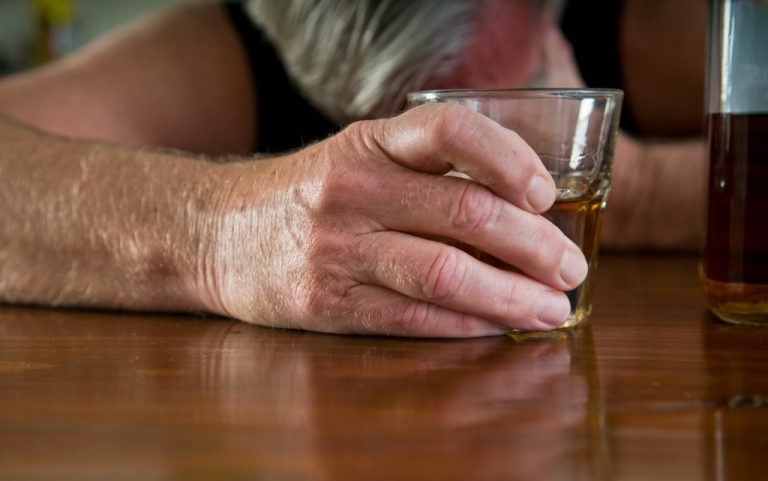
Alcohol has a depressant effect on the body, slowing down brain function and energy levels. As the brain adapts to a regular influx of alcohol, it seeks to overcome alcohol’s sedative effect by increasing nerve activity to keep the body in a heightened state of alertness. Even when the intake of alcohol ceases, the brain stays in this state of high alert.
Alcohol-Related Brain Damage Can Lead to Shaking
Females can be more susceptible than males to many of the negative consequences of alcohol use, such as nerve damage, as they may begin to see effects from a lower amount of alcohol consumption. A simple form (like dehydration) will last until you drink enough fluids. A serious form (like brain damage) will be permanent and irreversible.
The more your physical and mental health improves, the less likely you are to experience tremors or other residual withdrawal symptoms, and the greater quality of life you will enjoy. Unfortunately, insomnia is a common problem for those in recovery from excessive alcohol use. Inadequate sleep can make tremors and other withdrawal symptoms worse.
Leave a Reply